
Latin America & Cross-Border

FCPA in Latin America

Foreign Corrupt Practices Act defense for companies and executives with Latin America operations: investigations, voluntary disclosure strategy, and remediation.

Overview

The Foreign Corrupt Practices Act is the dominant U.S. enforcement tool for conduct occurring in Latin America, and the region has generated some of the largest FCPA enforcement actions in the statute's history, including the Odebrecht/Braskem case (the largest FCPA settlement at the time at $788 million), multiple Brazil-related actions arising from Lava Jato, and actions targeting operations in Venezuela, Mexico, Argentina, Colombia, and across the region.

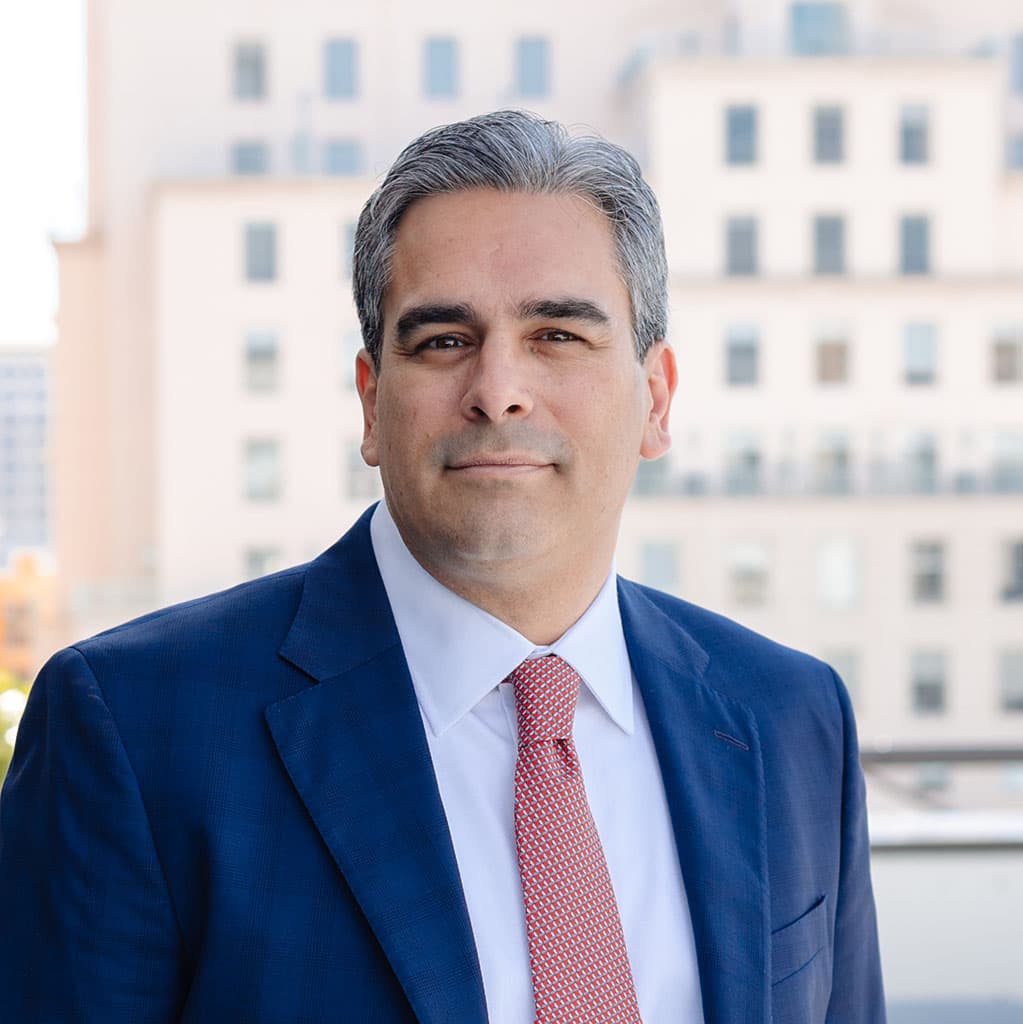
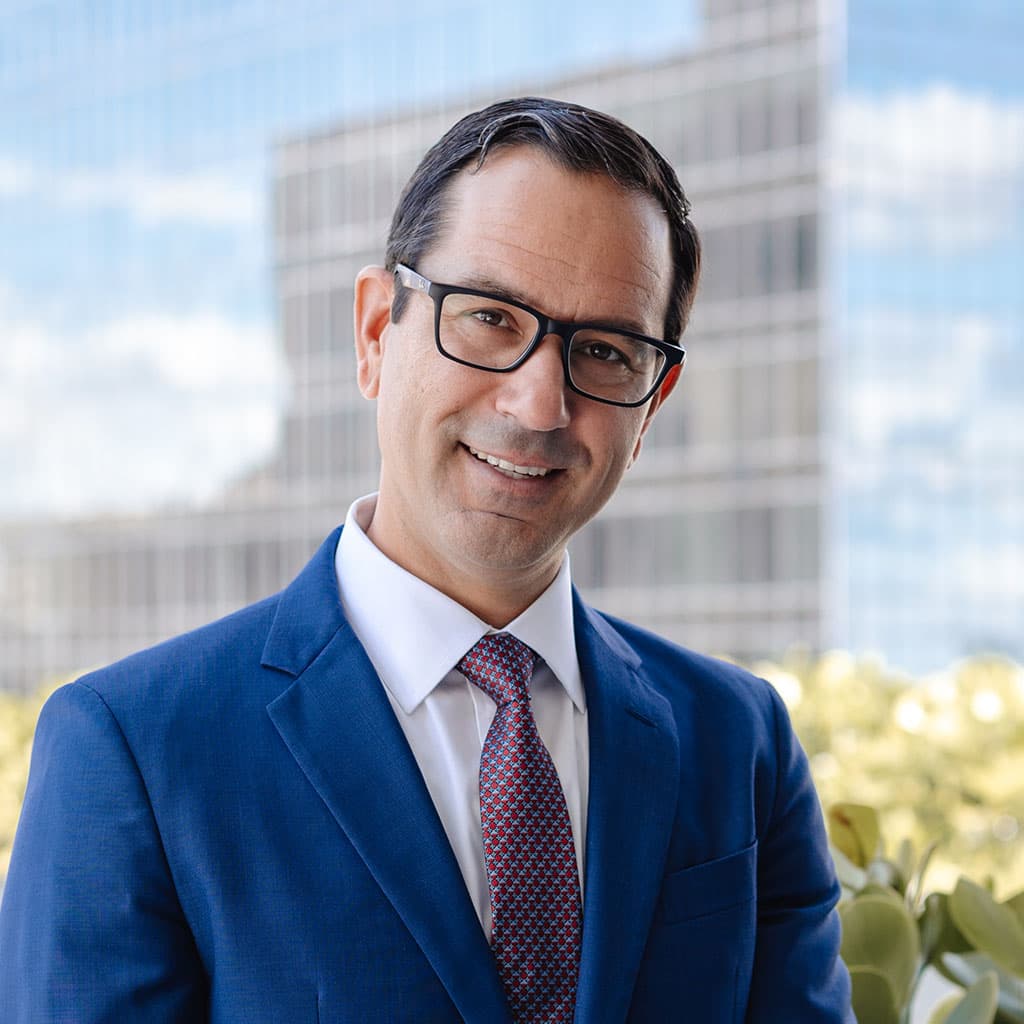
Fridman Fels & Soto's FCPA practice is defined by direct, on-the-ground experience in the region. Daniel Fridman has led FCPA investigations in Brazil and Argentina involving over $120 million in alleged payments, conducting witness interviews in Portuguese and Spanish without translators, reviewing local documents, and coordinating with local authorities. Michael Garcia has represented audit committees and companies in FCPA investigations across Brazil, Mexico, Argentina, Colombia, and the UK. Together, they bring depth across the full life cycle of an FCPA matter: detection, investigation, voluntary disclosure analysis, cooperation, remediation, and monitorship.

The firm is one of the few in Florida, and among a small number in the country, that can run a Latin America FCPA investigation from start to finish, in the relevant languages, without the friction of large-firm structures or the cost and delay of international co-counsel for substantive work.

Our Approach

FCPA representation requires a framework that accounts simultaneously for the DOJ and SEC enforcement positions, local anti-corruption law in the affected country, and the audit committee's disclosure obligations. We establish that framework at the outset and ensure that investigation findings, remediation steps, and disclosure decisions are made with full visibility across all three dimensions.

Voluntary disclosure is the pivotal decision in any FCPA investigation. The DOJ's FCPA Corporate Enforcement Policy creates significant benefits for companies that voluntarily disclose, fully cooperate, and remediate, including declination without criminal charges. But voluntary disclosure is irreversible and must be made on a complete factual record. We counsel clients through this decision with full analysis of the available evidence and the likely DOJ and SEC response.
Representative Experience

Latin America & Cross-Border

  • Argentine cuadernos bribery internal investigation

    Conducted an internal investigation of an Argentine energy company implicated in the Argentine cash-bribery (cuadernos, or notebooks) scandal, satisfying the company's auditors that company funds had not been used for bribes.

  • Confidential DOJ defense – Gunvor / PetroEcuador bribery scheme

    Represented a Canadian national and former Gunvor employee charged in the Eastern District of New York with conspiring to launder proceeds of a roughly $22 million bribery scheme involving Ecuador's state oil company, PetroEcuador. Gunvor S.A., the Swiss energy trading company, separately pleaded guilty in March 2024 to conspiracy to violate the FCPA and paid a $374.56 million criminal fine as part of a $474.4 million global resolution, admitting it paid intermediaries more than $97 million between 2012 and 2020 to bribe PetroEcuador officials to obtain and retain oil-trading business. Covered by Bloomberg, The Wall Street Journal, and international press.

Frequently Asked Questions

What does the FCPA prohibit?

The FCPA has two main components: the anti-bribery provisions prohibit offering, paying, or authorizing corrupt payments to foreign government officials to obtain or retain business; the books-and-records provisions require public companies to maintain accurate books and records and an adequate system of internal accounting controls. Violations of the anti-bribery provisions require proof of corrupt intent; books-and-records violations can be charged civilly without proof of intent.

Who can be charged under the FCPA?

The FCPA reaches U.S. companies and their employees, U.S. citizens and residents, foreign companies listed on U.S. stock exchanges, and any person who takes any act in furtherance of a corrupt payment while in the United States. It also reaches foreign companies and individuals as co-conspirators in certain circumstances. The DOJ and SEC both have jurisdiction, with the DOJ handling criminal anti-bribery charges and the SEC pursuing civil securities enforcement.

What is the DOJ's FCPA Corporate Enforcement Policy?

The DOJ's Corporate Enforcement Policy (updated in 2023) sets out the conditions under which a company that voluntarily discloses FCPA violations, fully cooperates, and timely remediates can receive a declination (no criminal charges). The policy creates strong incentives for companies that discover potential violations to come forward. Companies that cooperate but do not voluntarily disclose receive reduced penalties. Companies that do neither are subject to full enforcement. The decision when and whether to disclose is one of the most consequential in FCPA practice.

Team

Facing a government investigation?

Time matters. Contact us before the first interview request.

Contact the Firm